Discussion Guides
Return to the story. Continue the conversation.
Explore thoughtful questions and structured reading pathways connected to the books and story worlds of CDJ Books.
Why use a discussion guide?
A little structure can help a conversation go deeper
A strong discussion guide does not explain the book for the reader. It helps readers return to meaningful moments, consider character choices, examine relationships, and listen to different interpretations.
Guides may be used by families, classrooms, libraries, book clubs, and community groups. The facilitator should adapt the questions to the audience, setting, and time available.
Not every question needs to be used. A thoughtful conversation may begin with a single scene, feeling, relationship, or decision.
Choose your pathway
Find the right kind of guide
Start with the book, then choose the audience and conversation setting that best matches your needs.
Families
Flexible prompts for shared reading and age-appropriate family conversations.
Visit Parents & FamiliesEducators
Discussion pathways for classrooms, libraries, and learning communities.
Visit EducatorsBook clubs and groups
Open-ended questions for adult, community, and shared-reading discussions.
Browse available guidesAvailable resources
Discussion guides by book
Display only guides that are complete, reviewed, accessible, and connected to the correct edition.
Discussion guide
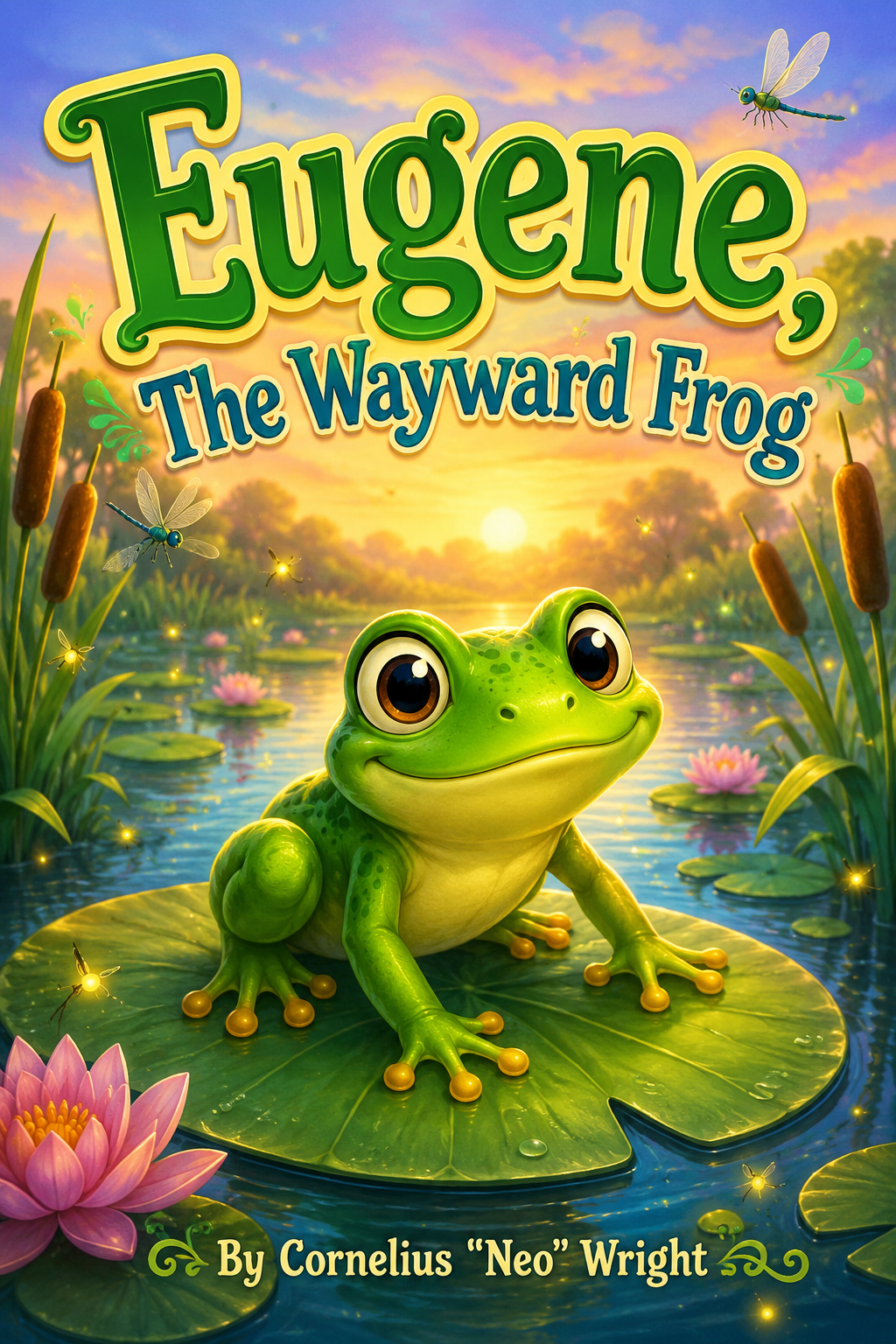
Eugene The Wayward Frog
Questions and reflection pathways connected to Eugene’s choices, curiosity, relationships, consequences, and journey.
Discussion guide
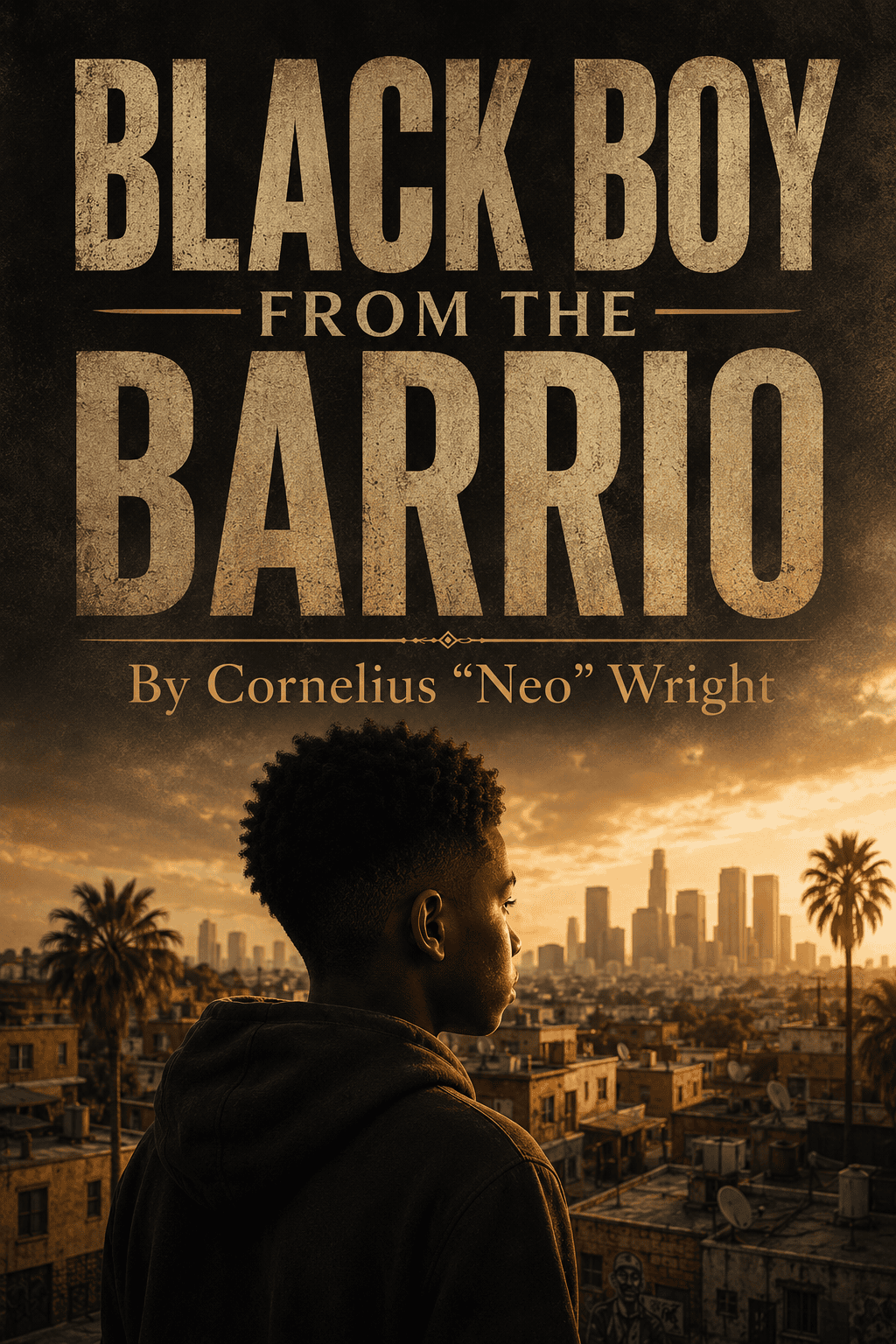
Black Boy From the Barrio
A structured conversation resource focused on identity, place, belonging, expectations, environment, choices, and direction.
Discussion guide
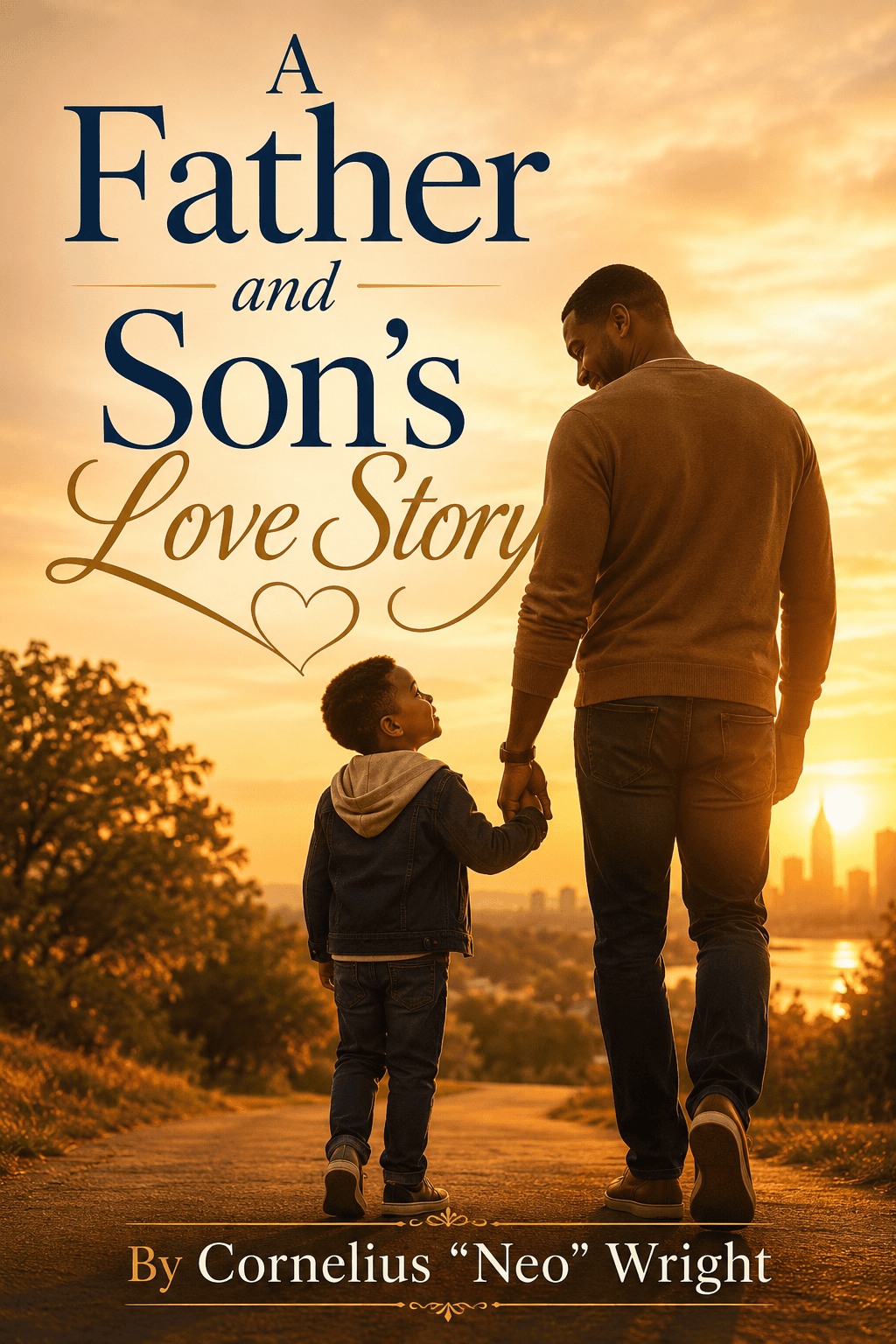
A Father and Son’s Love Story
Questions designed to support reflection on family, fatherhood, love, memory, presence, and emotional connection.
Using a guide well
Let the conversation remain human
A guide should create room for attention, interpretation, and exchange—not make the discussion feel like a test.
-
Choose selectively
Use only the questions that fit the readers, setting, and time available.
-
Return to the text
Encourage readers to point to moments, details, choices, or relationships that support their interpretation.
-
Allow disagreement
Different readers may understand the same moment differently. Ask what shaped each interpretation.
-
Leave room for silence
Some questions need time. Readers should not be pressured to share personal experiences.
-
End with reflection
Ask what readers are still thinking about rather than forcing a final conclusion.
Adapt the experience
Different settings need different approaches
Families
Keep the conversation relaxed, follow the reader’s interest, and use language appropriate to the family context.
Explore the family pathwayEducators
Review the entire book, audience guidance, and content context before assigning or facilitating it.
Explore the educator pathwayBook clubs and community groups
Establish a respectful discussion environment and allow members to interpret the work without requiring personal disclosure.
Choose a bookAccessibility and use
Every guide should be clear, usable, and properly labeled
Each downloadable guide should include meaningful headings, readable contrast, selectable text, a logical reading order, and clear document metadata.
The download page should also explain what users may print, share, reproduce, or adapt. Educational use should not be assumed unless the permitted-use statement says so explicitly.
- Provide an accessible PDF or HTML alternative
- Identify the associated book and edition
- Show the file type, size, and revision date
- Use descriptive link text
- Provide an accessibility contact pathway
Looking for something specific?
Ask about a book or resource
Contact CDJ Books when you need help locating an existing guide, confirming its audience, requesting an accessible version, or understanding how a resource may be used.
Contact CDJ BooksContinue exploring
Begin with the book, then return to what matters
Explore the current titles and the larger story worlds surrounding them.