
For educators, librarians, and learning communities
Bring meaningful stories into thoughtful learning
Explore CDJ Books titles through character, identity, family, choices, belonging, place, and the conversations that can continue beyond the final page.
A flexible reading experience
Use the story without reducing it to a lesson
A literary work should remain a story first. Its characters, relationships, setting, conflicts, and consequences should lead the experience rather than serve only as containers for teaching points.
Educators may use CDJ Books titles to support close reading, discussion, personal reflection, creative response, thematic exploration, or connections to learners’ own experiences.
The most meaningful questions often invite interpretation rather than a single correct answer. This approach allows learners to notice evidence, explain their thinking, listen to others, and reconsider their first impressions.
Possible learning pathways
Several ways to engage with a book
The appropriate approach will depend on the title, learners, setting, time available, and verified audience guidance.
Shared reading
Read together and pause at selected moments for observation, prediction, clarification, or reflection.
Independent reading
Give learners space to encounter the story personally before moving into structured conversation.
Small-group discussion
Use open questions to examine character choices, relationships, themes, setting, and consequences.
Creative response
Invite learners to respond through writing, visual work, performance, alternative perspectives, or imagined scenes.
Thematic exploration
Connect the story to broader questions about identity, family, belonging, responsibility, courage, memory, or place.
Community reading
Use a shared title as the beginning of a wider conversation among learners, families, educators, or reading groups.
Current titles
Choose a story by theme and audience
The descriptions below introduce possible discussion directions. Final age, grade, reading-level, and content guidance must be verified separately.
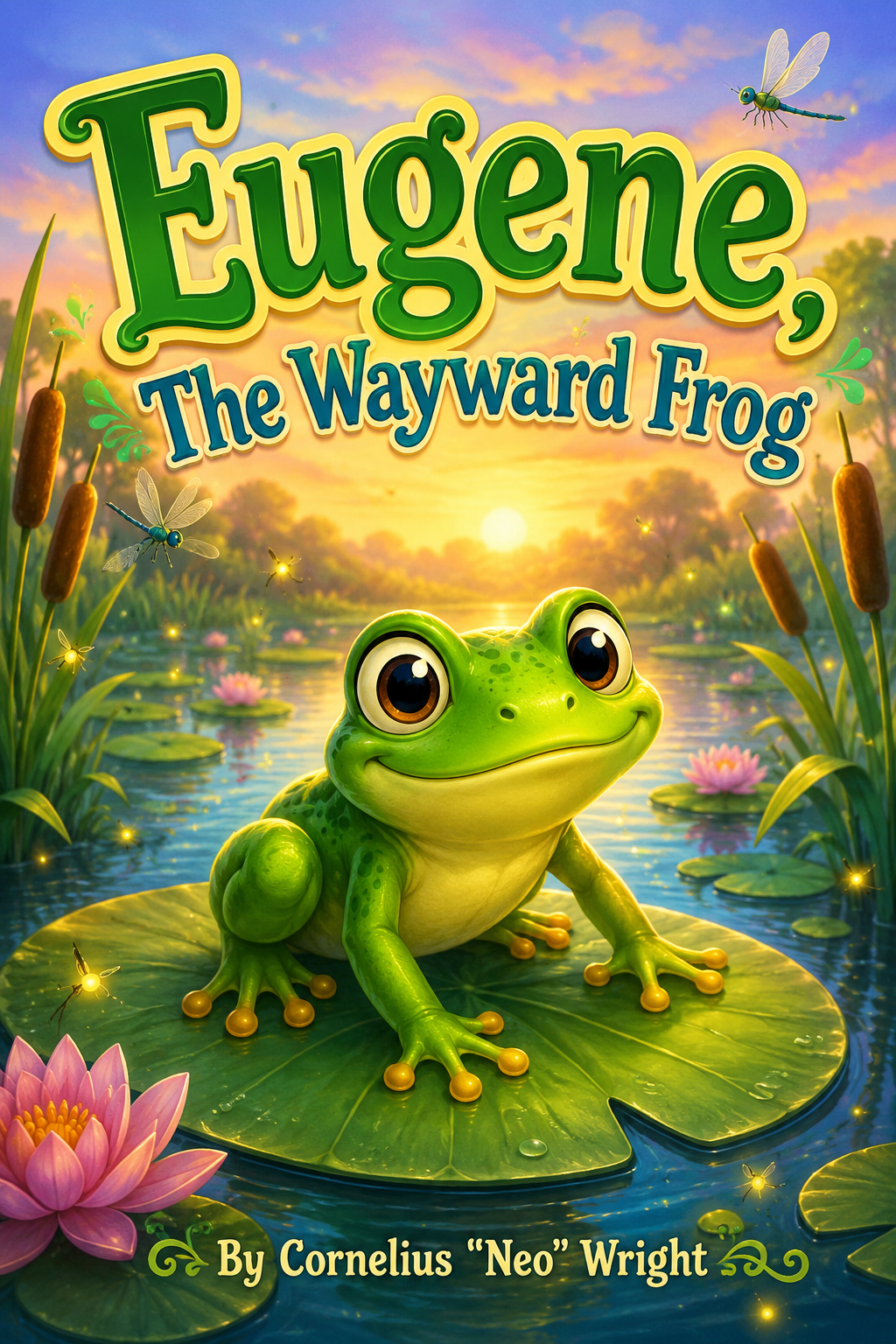
Choices, curiosity, and direction
Eugene The Wayward Frog
A character-led story that may support discussion about curiosity, listening, independence, consequences, discovery, and finding one’s way.
- Possible themes
- Choices, responsibility, curiosity, guidance
- Audience guidance
- To be verified before publication
- Available resources
- Show only confirmed materials
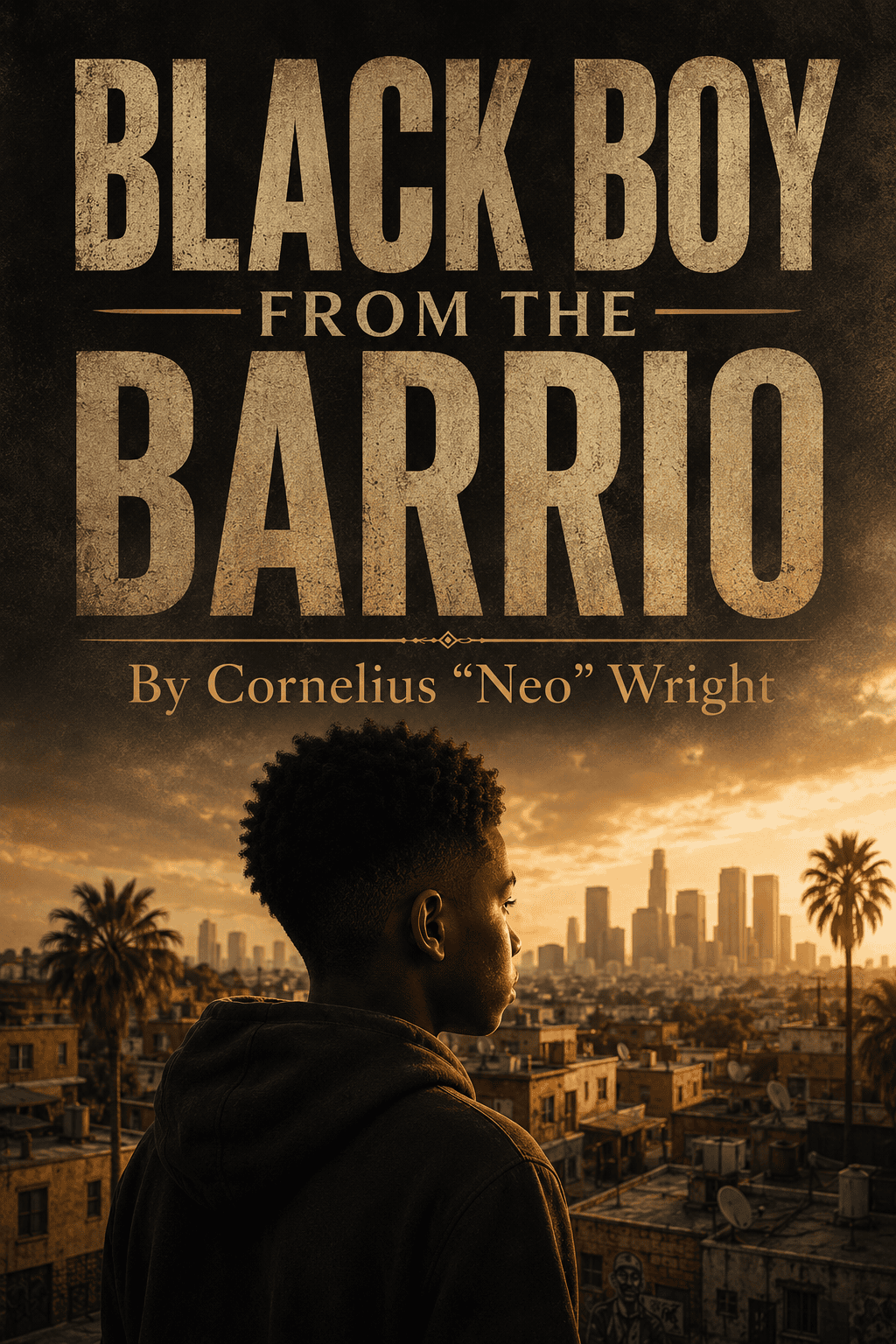
Identity, environment, and possibility
Black Boy From the Barrio
A story that may invite consideration of identity, place, belonging, social expectations, personal direction, difficult circumstances, and the possibility of change.
- Possible themes
- Identity, environment, belonging, choices
- Audience guidance
- To be verified before publication
- Content context
- Review and document before classroom use
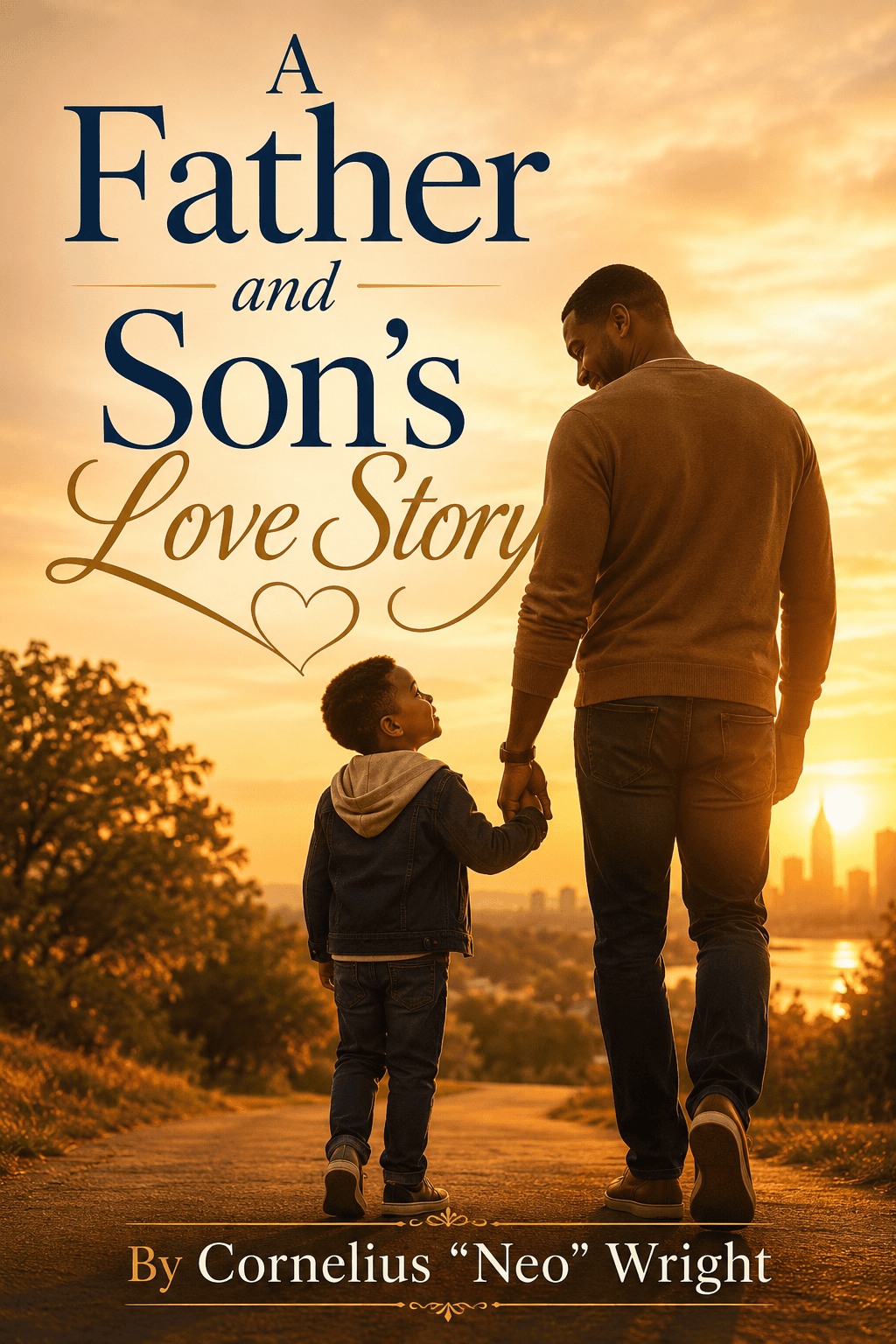
Family, love, memory, and connection
A Father and Son’s Love Story
A family-centered story that may support reflection on fatherhood, love, presence, memory, connection, relationships, and what people carry with them across time.
- Possible themes
- Family, fatherhood, memory, emotional connection
- Audience guidance
- To be verified before publication
- Discussion context
- Consider learners’ individual experiences
Discussion-based learning
Ask questions that return learners to the story
Strong literary discussion encourages learners to explain, interpret, support, compare, question, and listen.
Notice
What stands out?
Begin with a moment, detail, relationship, image, or choice that learners found important.
Interpret
What might it mean?
Invite more than one interpretation and ask learners to explain the evidence behind their thinking.
Connect
What does it connect to?
Consider other moments in the book, another text, a broader theme, or lived experience when appropriate.
Reconsider
Has your view changed?
Give learners room to revise their first interpretation after hearing evidence or perspectives from others.
A practical sequence
Before, during, and after reading
A simple structure can support understanding without overwhelming the story with activities.
-
Before reading
Introduce only the context learners need. Examine the title, cover, description, setting, or central question without explaining the entire story in advance.
-
During reading
Select a small number of purposeful pauses. Ask learners to notice changes, make predictions, clarify meaning, or track a relationship or theme.
-
After reading
Return to important moments and questions. Allow discussion, writing, creative response, or comparison to emerge from the text.
Beyond a single title
Explore the world surrounding each book
Story worlds organize the ideas, themes, characters, settings, conversations, and future resources connected to each title.
Educator materials should be added only when complete, reviewed, accurately labeled, and connected to the correct book edition.
Explore all story worldsEducator resources
Publish only what is complete and useful
Every visible resource should identify the relevant title, intended audience, purpose, format, and revision date.
Discussion guides
Open questions and structured conversation pathways for classrooms, libraries, book groups, and community programs.
Visit the Discussion Guides hubStory-world materials
Title-specific context and future resources connected to the characters, themes, settings, and ideas surrounding each book.
Explore story worldsFamily pathways
Support for educators who want to help parents and caregivers continue age-appropriate conversations at home.
Visit Parents & FamiliesClassroom and group orders
Planning an order for a school, library, or reading group?
Contact CDJ Books for verified information about current formats, availability, quantities, shipping, and any applicable group-order process.
Do not advertise school discounts, bulk pricing, tax exemptions, purchase-order acceptance, or delivery times until those policies are operational and documented.
Ask about a group orderQuestions about suitability?
Request accurate context before assigning a book
Contact CDJ Books when the published description does not provide enough information about intended audience, themes, available formats, content considerations, or existing resources.
Educators remain responsible for reviewing the complete work and deciding whether it is suitable for their learners and setting.
Contact CDJ BooksBegin with the story
Choose a book, then create space for learners to think
Explore the current titles or begin with a discussion pathway connected to one of their larger story worlds.